
Arrest Warrants in Sussex County
An arrest warrant gives a police officer the power to seize someone and haul them before a judge. In Sussex County, that power traces back to Virginia Code §§19.2-71 and 19.2-72, which let a judge, clerk, or magistrate issue process once a sworn complaint clears the probable cause test. The order itself is precise. It names the accused or supplies a solid physical description, lays out the charged offense, and commands an arrest plus a court date. For a live warrant question in Sussex County, the magistrate office in Waverly runs a 24-hour judicial channel that handles complaints, warrants, summonses, and first bail settings. It is not a warrant-search desk for the public. The case record belongs to the issuing court, so that court is the place to confirm what exists.
Probable Cause at a Sussex Magistrate Review
A complaint or affidavit puts the claimed facts in front of a judicial officer. The magistrate questions the complainant and any witnesses under oath. Then comes the call on probable cause. A private person's felony complaint needs prior sign-off from law enforcement or the Commonwealth's Attorney. None of this makes the Sheriff the record keeper. The court owns the file. In Sussex County, the Commonwealth's Attorney prosecutes felony cases along with Class 1 or 2 misdemeanor warrants and indictments. General District Court handles misdemeanors and felony preliminary hearings, while Circuit Court holds the felony trial records.
Sussex County Arrest Warrant Fields
The state's DC-312 instructions lay out a felony warrant form. Sussex County publishes no sample warrant and posts no warrant-number format or status-code legend. Skip the guesswork. Read the case number and issuing court straight from your paperwork, or ask the clerk.
| Case number | Use the number assigned by the court. No public Sussex warrant-number pattern was found. |
|---|---|
| Accused | Name or reliable description listed on the process. |
| Charge / offense | Offense description and statute tied to the complaint. |
| Issuing officer | Judicial officer and court or locality responsible for the order. |
| Service / return | Execution date, officer, agency, and return details may be added after service. |
| Bond / release | Recognizance or commitment information if a judicial officer sets it. |
Virginia’s criminal forms catalog shows blank process forms without identifying any person.
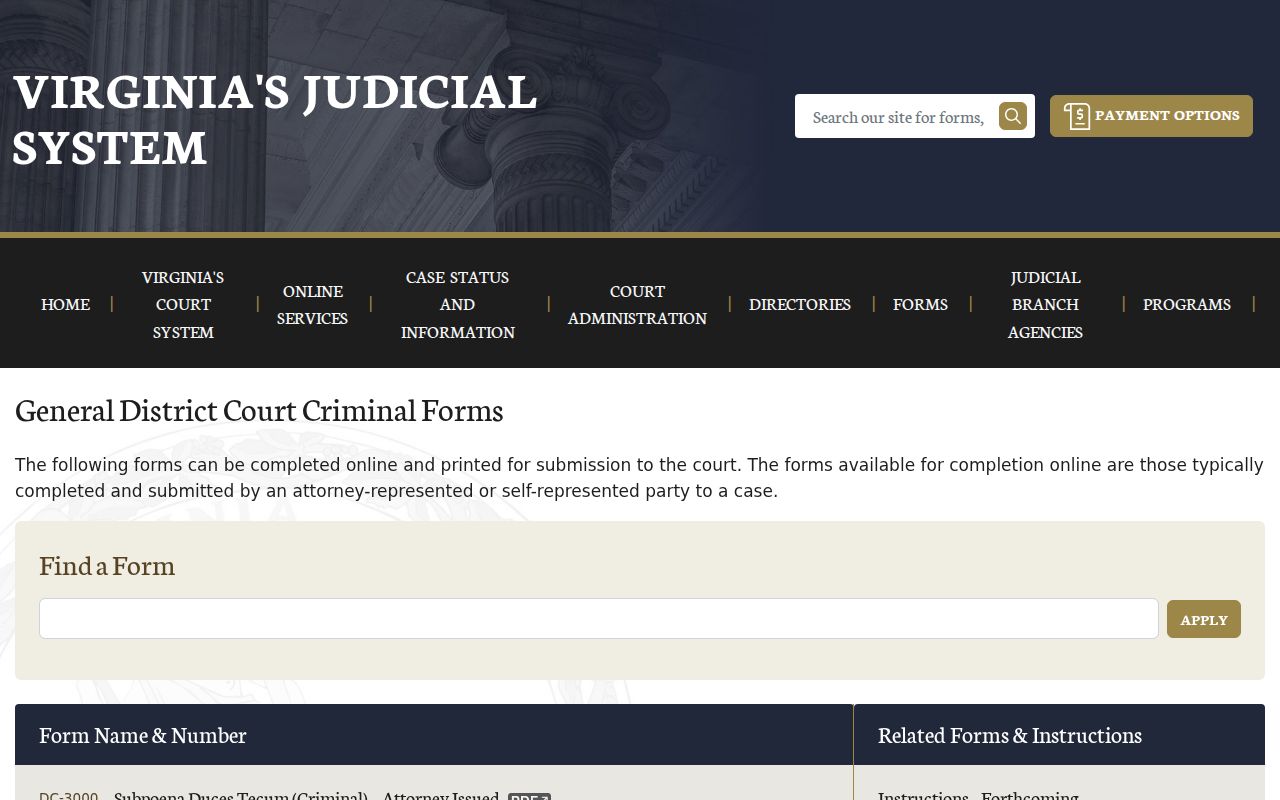
The catalog helps explain form names, not whether a particular warrant is active.
DC-312 Felony and DC-314 Misdemeanor Forms
Virginia district forms separate felony warrants from misdemeanor process. DC-312 is the felony warrant form, while DC-314 and DC-315 cover misdemeanor state or local cases. A form code tells you what kind of document was issued, nothing more. It cannot tell you whether a warrant is still active. The clerk knows what was entered on the docket. For a Sussex County felony question, the official Circuit Court page lists the felony court and its clerk, with address and phone details to route your inquiry.
Serving Sussex County Arrest Warrants
The Sussex County Sheriff serves county process and runs the jail, court security, and civil-process functions. There is no separate public warrant unit to call. Instead, the Sheriff's phone directory on 434-246-5000 routes you by option: Communications at 1, Jail at 3, Jail Records at 4, and Civil Process at 5. Virginia Code §19.2-76 governs how warrants are executed and returned across the Commonwealth. After arrest comes booking. The person then goes before a judicial officer for bail or commitment. Bring service and custody questions to the Sheriff. Ask the issuing clerk what the court's file says.
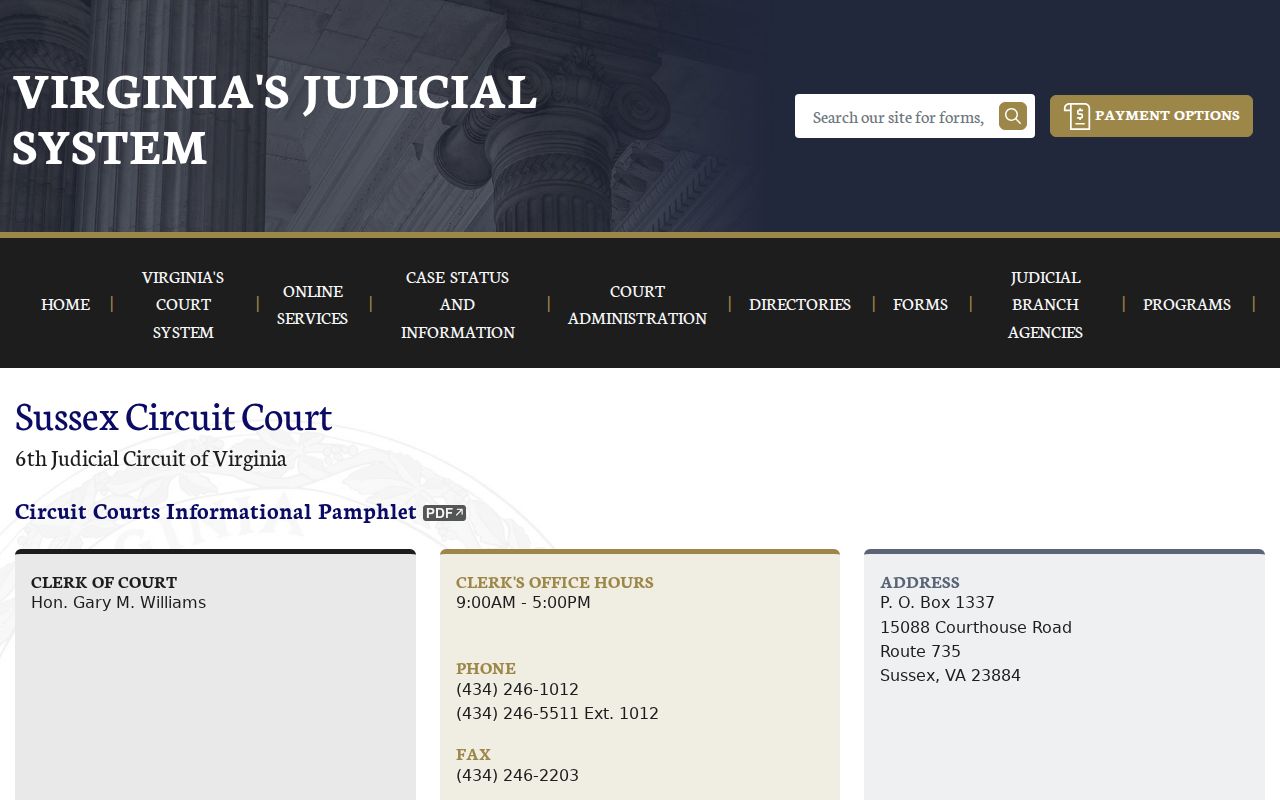
The Circuit Court page names the Sussex County felony court and the clerk who keeps its file.
How Sussex Returns a Served Warrant
Serving a warrant and closing it are two different things. The officer records the service and returns the paperwork to a judicial officer. Then the clerk updates the court file. A call to the Sussex County Sheriff can help with service or custody details. Only the issuing clerk can confirm what the court actually entered after the return. Out-of-state or federal warrants raise a separate jurisdictional question. The Sheriff or the court can point you toward the right authority. Neither OCIS nor the local Sheriff site works as a nationwide warrant search.
Sussex Arrest Warrant, Summons, or Bench Warrant
An arrest warrant comes after a probable-cause review. A summons just orders an appearance, with no arrest attached. A bench warrant, tied to failure to appear, follows a missed court duty. For that missed-date process, read about Sussex County bench warrants.
| Feature | Arrest Warrant | Summons | Bench Warrant |
|---|---|---|---|
| What It Orders | Officer to arrest and bring a person to court | Person to appear on a stated date | Person to answer a missed obligation |
| Basis | Probable cause on a sworn complaint | Court process for an appearance | Failure to appear or comply |
| Who Issues It | Judge or magistrate | Authorized court or judicial officer | Court or judicial officer |
| How to Respond | Ask counsel and issuing court about appearance or bond | Appear on the date and follow instructions | Ask the issuing court about recall or a new date |
Sussex Arrest Warrants and Sealed Indictments
A warrant lets police make an arrest. An indictment is a charging document, and felony papers can stay sealed until arrest or service. So a blank court entry proves nothing about whether process exists. The Sussex County Circuit Clerk can explain what the public may see, though case-specific questions may need a lawyer. Federal cases run through a separate court system. PACER opens federal dockets but is not a full public warrant search. The Richmond federal courthouse visitor page explains entry at its East Broad Street building. Those federal security rules have no bearing on Sussex County courts.
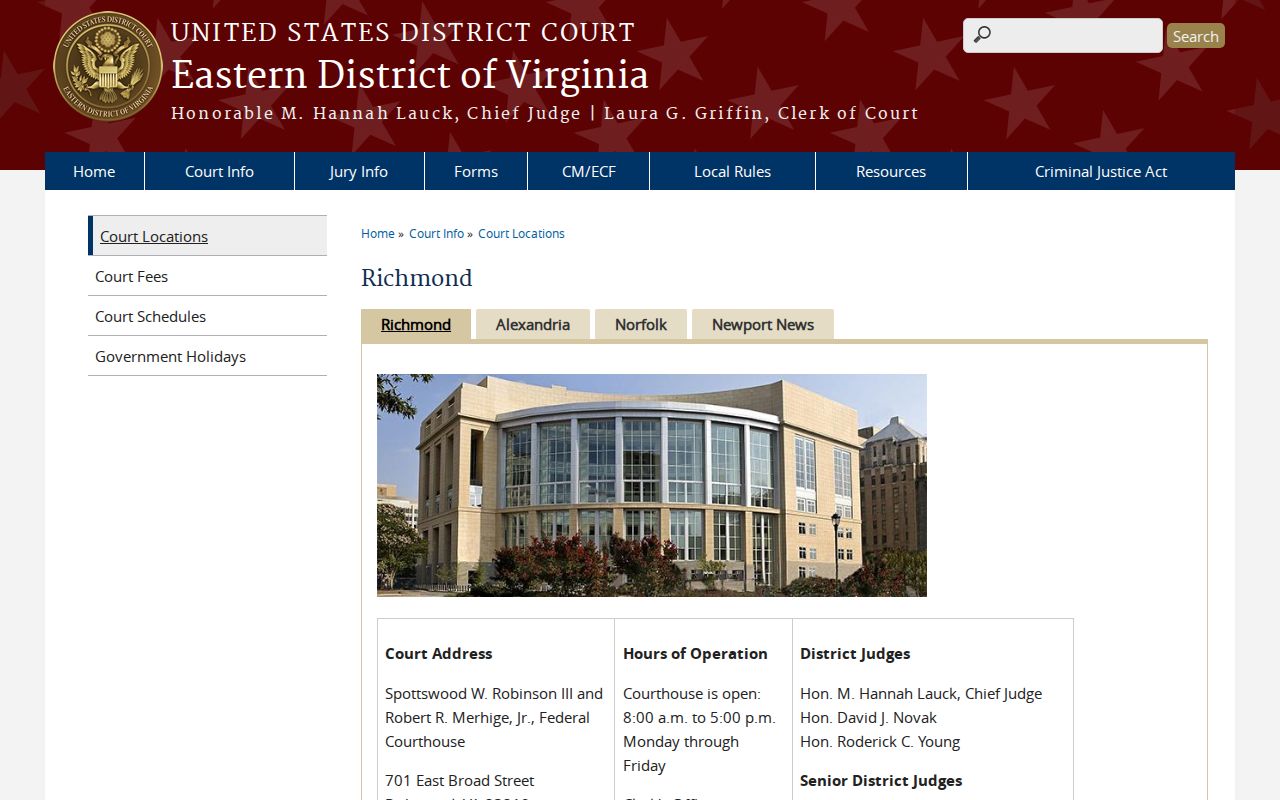
Federal matters need the right court first. Identify the federal court and docket before applying its visitor guidance to any Sussex County question.
What to Do With a Sussex Arrest Warrant
Think a warrant names you? Call the issuing court or a lawyer before you arrange any appearance. Ask whether voluntary surrender, bond, or a motion to recall fits your case. Sussex County publishes no walk-through policy, bond schedule, or public surrender window. A call to the Sheriff does not cancel process.
Important: Confirm the court’s current instructions before going in person; Sussex does not publish a general warrant walk-in or bond window.
Initial Bail Through the Waverly Magistrate
The Sussex magistrate office sits at 119 Bank Street in Waverly and answers around the clock, listed as available 24 hours. Issuing warrants is part of its work, and so is setting initial bail. Dial 804-834-2330 with a question about judicial process; take case-status questions to the clerk, and service or custody questions to the Sheriff. Virginia's DC-330 bond form spells out secured or unsecured bond, surety, bondsman, custodian, and the judicial officer who signs off. Sussex County posts no countywide bond amount and names no accepted payment method, so the magistrate or clerk must tell you the terms for the particular case.